Introduction
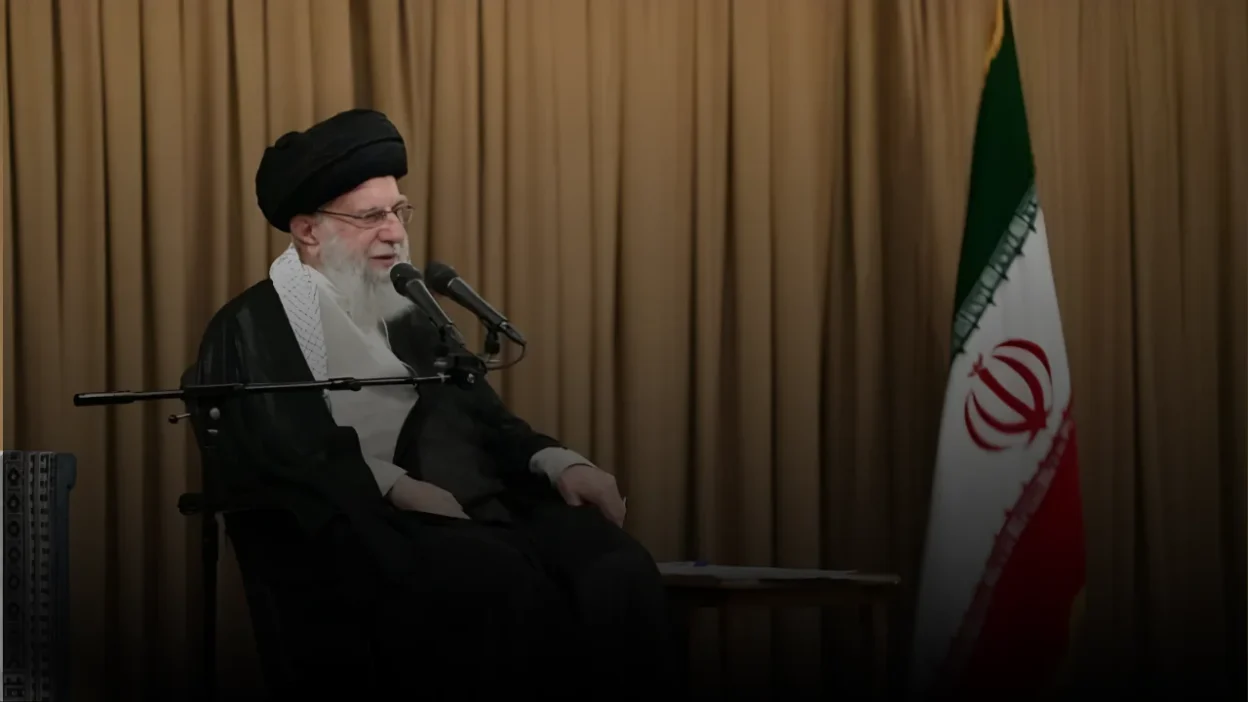
Recent headlines have sparked concerns worldwide about the safety of Iran’s top leadership. Speculation and rumors circulated regarding potential threats to Ayatullah Khamenei and the Iranian President, prompting government clarification. Iranian officials have now confirmed that both leaders are completely safe, reassuring citizens and the international community about the stability of the nation’s political environment.
In this article, we explore the details behind these assurances, the measures taken by the Iranian government, and the implications for domestic and global security.
Iranian Government’s Official Statement
The Iranian government addressed growing public concern through an official statement. Authorities emphasized that there is no threat to the nation’s highest offices. They confirmed that comprehensive security protocols are in place to safeguard both Ayatullah Khamenei and the President, highlighting the effectiveness of the country’s intelligence and protection systems.
Key points from the statement include:
- Full safety confirmed: Both Ayatullah Khamenei and the President are unharmed.
- Security measures active: Advanced protocols ensure ongoing protection.
- Public reassurance: Citizens are urged to remain calm and trust in the government’s handling of the situation.
This swift response aimed to prevent misinformation and maintain national confidence amid international attention.
Context Behind the Security Concerns
While the exact origins of the security concerns remain unclear, heightened global tensions in the Middle East often trigger speculation about threats to leadership. Analysts suggest that such announcements serve dual purposes:
- Deterring adversaries: Clear communication of robust security measures discourages potential attacks.
- Maintaining public order: Reassuring citizens prevents panic and reinforces trust in the government.
The Iranian government’s proactive approach reflects the nation’s commitment to stability and continuity despite regional challenges.
Security Infrastructure Protecting Iranian Leadership
Iran has a sophisticated security apparatus designed to protect its top officials. Key components include:
- Specialized security units responsible for presidential and Supreme Leader protection.
- Intelligence surveillance systems monitoring domestic and foreign threats.
- Rapid response teams trained to neutralize potential risks instantly.
These measures are part of a broader national security strategy, ensuring that political and administrative functions continue without disruption.
Implications for Regional Stability
The reassurance from Tehran has several regional and global implications:
- Middle East stability: Confirmed safety of leadership reduces immediate risk of political upheaval.
- Diplomatic relations: Foreign governments can proceed with engagements without fear of sudden leadership crises.
- Market confidence: Investors and international partners gain assurance about Iran’s internal stability.
Experts note that transparent communication about leadership security is crucial for maintaining both domestic morale and international confidence.
The Role of Public Communication
In an era where misinformation spreads rapidly, clear communication by government authorities plays a vital role. Iran’s announcement not only addressed rumors but also demonstrated the resilience and reliability of its security systems.
For citizens, such transparency strengthens trust in the government’s ability to manage crises, while globally, it signals that Iran remains politically stable and secure.
Lessons from Recent Events
The recent reassurance from Iran highlights several broader lessons for governance and security management:
- Rapid response is key: Quick clarification prevents misinformation and panic.
- Robust security infrastructure matters: Effective systems protect both leaders and national stability.
- Public trust is crucial: Transparent communication reinforces confidence in government institutions.
Countries facing similar challenges can adopt these strategies to enhance both safety and public perception.
Conclusion
Iranian authorities have confirmed that Ayatullah Khamenei and the President are safe, following recent security concerns. This reassurance underscores the strength of Iran’s security apparatus and the government’s commitment to stability. By addressing rumors promptly, Iran demonstrates both resilience and transparency, critical for maintaining public trust and regional confidence.
For those following Middle East politics, this development serves as a reminder of the importance of secure governance and proactive crisis management. Keeping abreast of such updates can provide deeper insight into the region’s security dynamics and geopolitical strategies.
Stay informed, stay aware: Reliable updates on leadership security and political stability are essential for understanding the evolving Middle East landscape.